Categories
Solamoda Welcomes Hansung University Delegation for a Study Visit Exploring Textile Heritage and Modern Garment Manufacturing
Solamoda welcomed more than 70 students and faculty members from Hansung University in South Korea for a study visit connecting Chinese textile heritage with modern garment manufacturing. Through cultural exhibitions, fabric development and sample-making workshops, the delegation gained first-hand insights into the apparel industry.
Nov 6th,2026
33 Views
Solamoda Welcomes Hansung University Delegation for a Study Visit Exploring Textile Heritage and Modern Garment ManufacturingMore than 70 students and faculty members from Hansung University in South Korea visited Solamoda in October 2026, exploring the connections between Chinese textile traditions, fabric development and contemporary garment production.The delegation, representing the university's global fashion industry program, toured Solamoda's Yarun Cultural and Creative Park and manufacturing facilities. The visit offered an opportunity to connect classroom learning with industry practice, following the journey from textile heritage and material development to sample making.Discovering the Heritage Behind Contemporary Fashion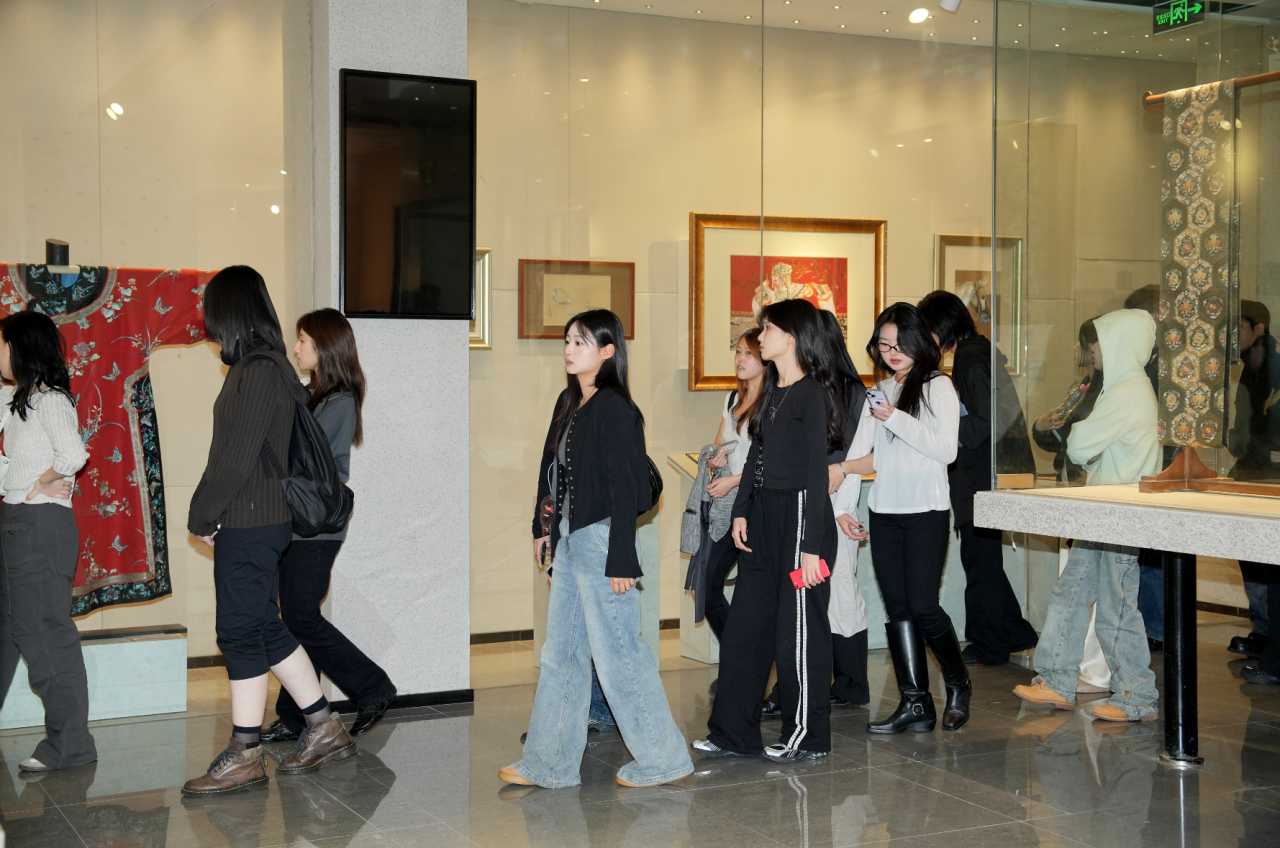 The visit began at Yarun Cultural and Creative Park, Solamoda's platform for showcasing clothing culture and supporting creative development. Through displays of traditional weaving and embroidery, the students explored the craftsmanship and aesthetic traditions that have shaped Chinese textiles and clothing.Exhibits introduced kesi, a traditional silk tapestry-weaving technique, alongside examples of China's renowned brocade and embroidery traditions. Nantong's blue-and-white resist-dyed cloth and local Shen embroidery offered a closer look at the region's distinctive textile heritage.Garments from the Qing dynasty and Republican era, together with historic looms, illustrated changes in clothing and textile production over time. Educational displays on textile materials provided further context, helping the visitors understand the relationship between materials, techniques and design.For Solamoda, these traditional crafts are more than historical exhibits. They provide a source of inspiration for fabric research and design innovation, informing the company's efforts to bring Chinese aesthetics into dialogue with modern garment-making techniques.From Fabric Development to Sample Making
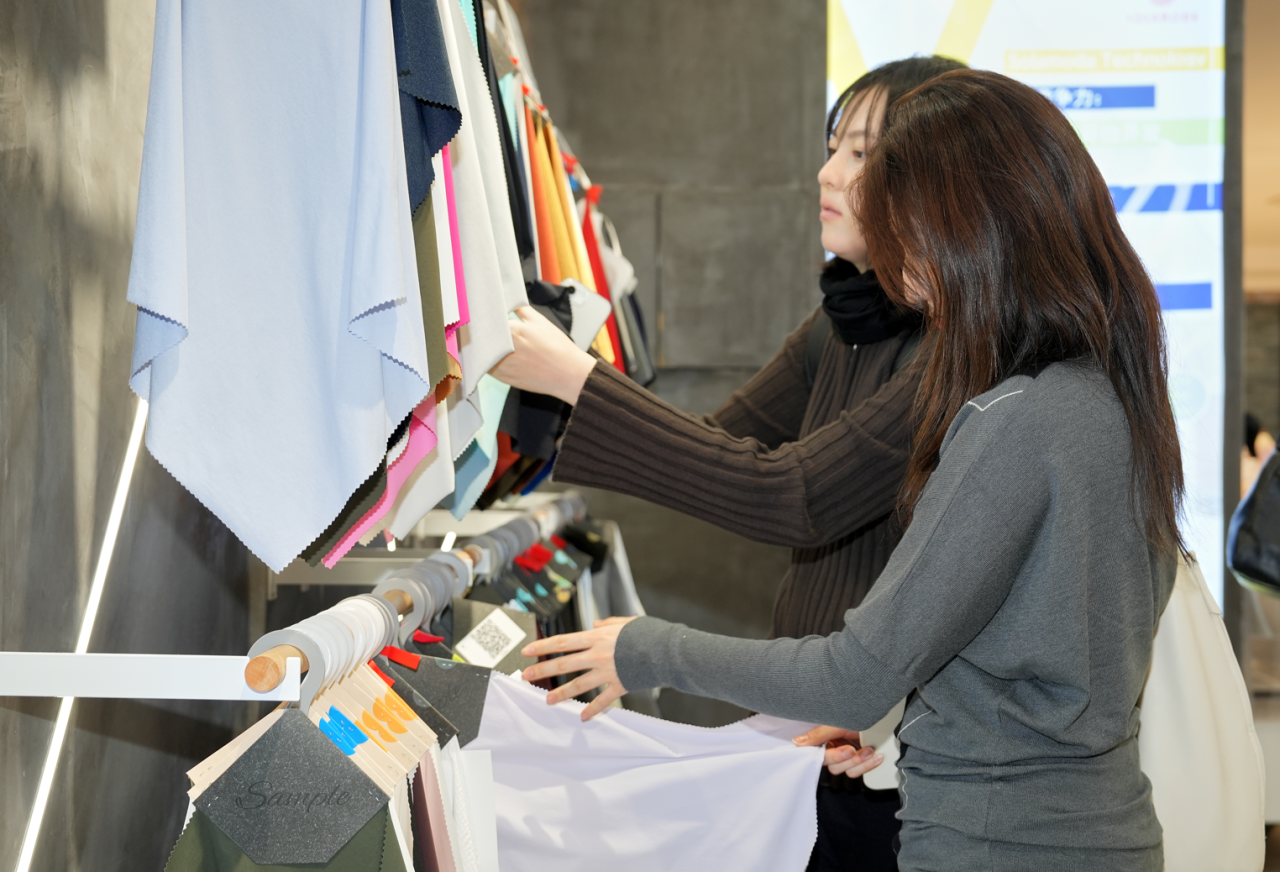 Following the cultural tour, the delegation visited the fabric research and development center, sample-making workshop and other areas of Solamoda's manufacturing operations. The students gained a first-hand view of how materials and design ideas are developed into garment samples.Discussions with staff focused on topics including fabric development and production techniques. By seeing the working environment and speaking directly with industry practitioners, the students were able to relate concepts from their studies to the practical considerations involved in apparel development and manufacturing.The visit brought cultural and technical perspectives together: traditional textiles offered insight into the origins of patterns, textures and craftsmanship, while the development and sampling areas showed how material choices and garment construction are addressed in a contemporary business setting.Supporting the Next Generation Through Industry Exchange
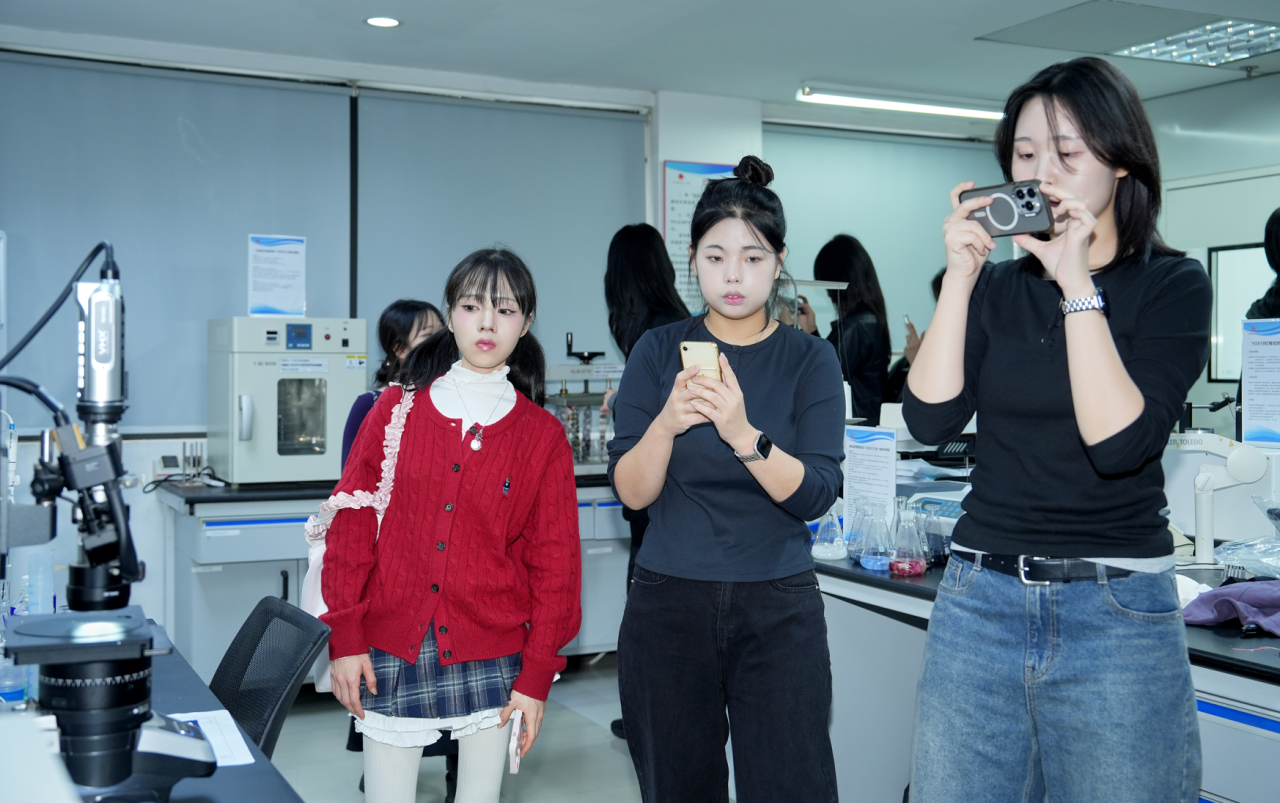 Solamoda sees opportunities for students to engage with industry as an important part of supporting the next generation of fashion professionals. Opening its facilities to students from China and overseas allows the company to share practical experience and help young people build a more grounded understanding of the apparel sector.The Hansung University visit reflected this approach, creating space for observation, discussion and exchange across educational and cultural backgrounds. It also demonstrated how an industry study visit can connect textile history with the everyday work of developing and making garments.
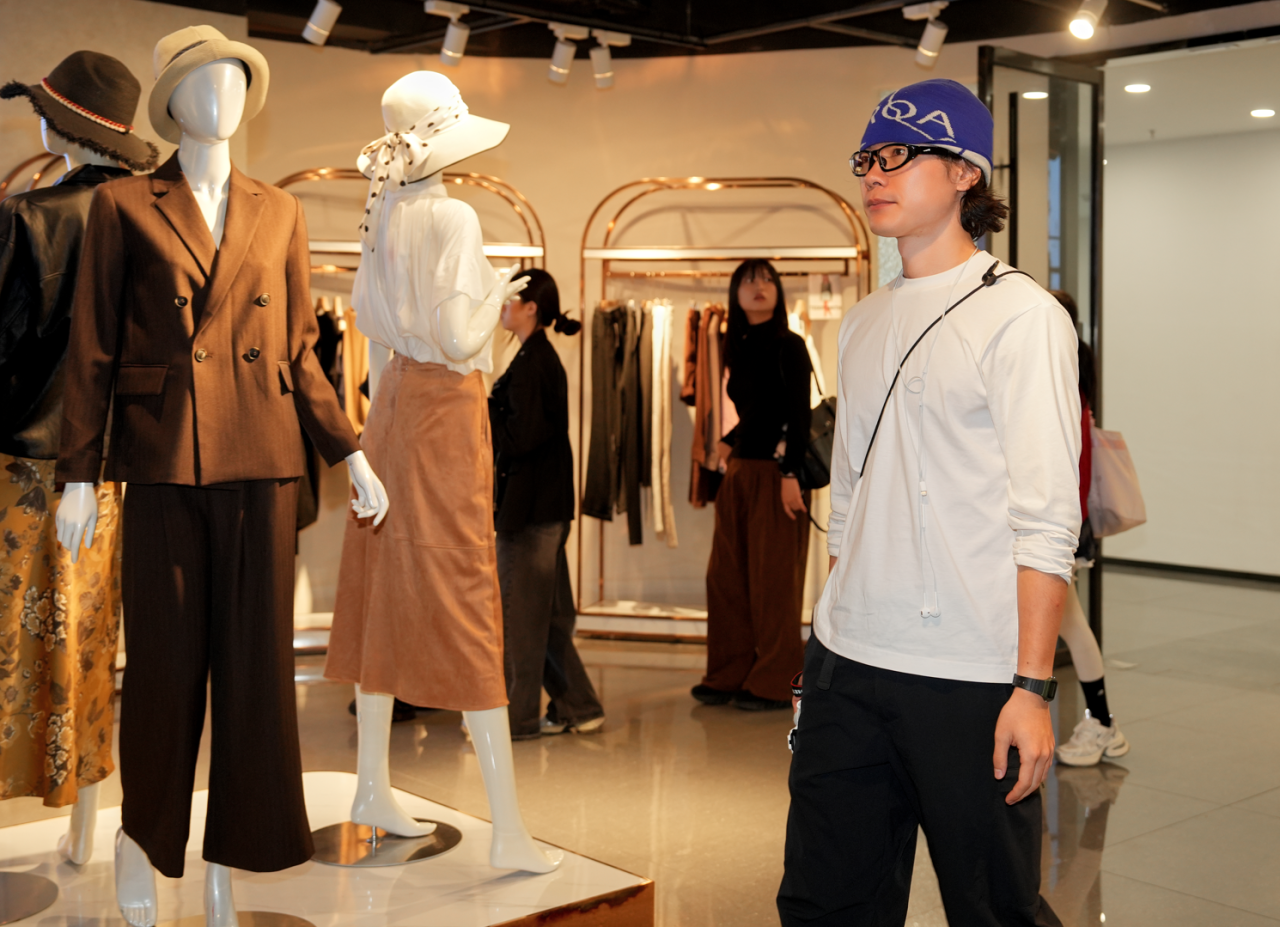 Looking ahead, Solamoda will continue to focus on product quality, technical research and the development of its manufacturing operations, while remaining open to dialogue with educational institutions and industry partners. By sharing experience and encouraging exchange, the company aims to contribute to the continued development of the apparel industry and the people who will shape its future.
